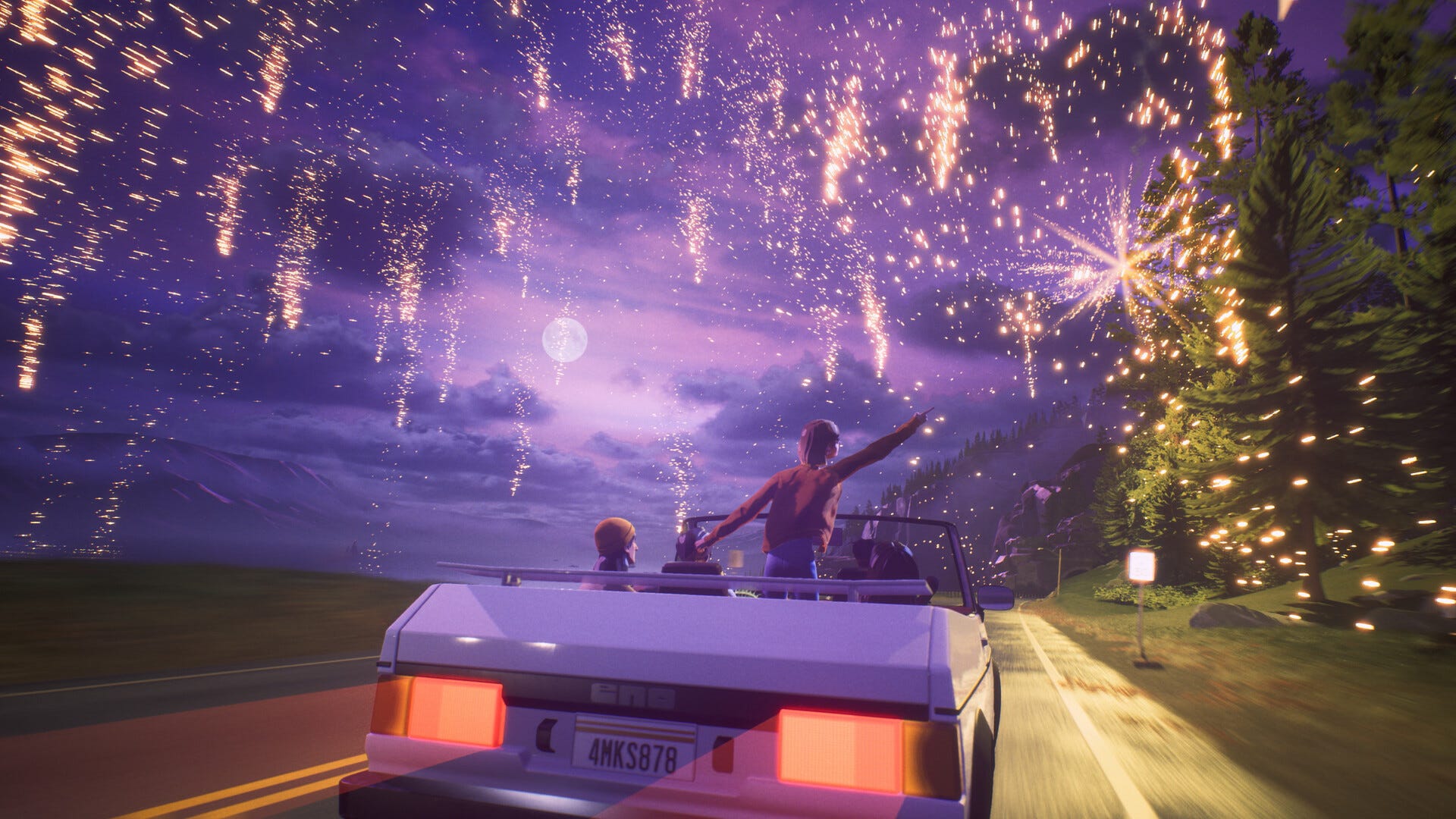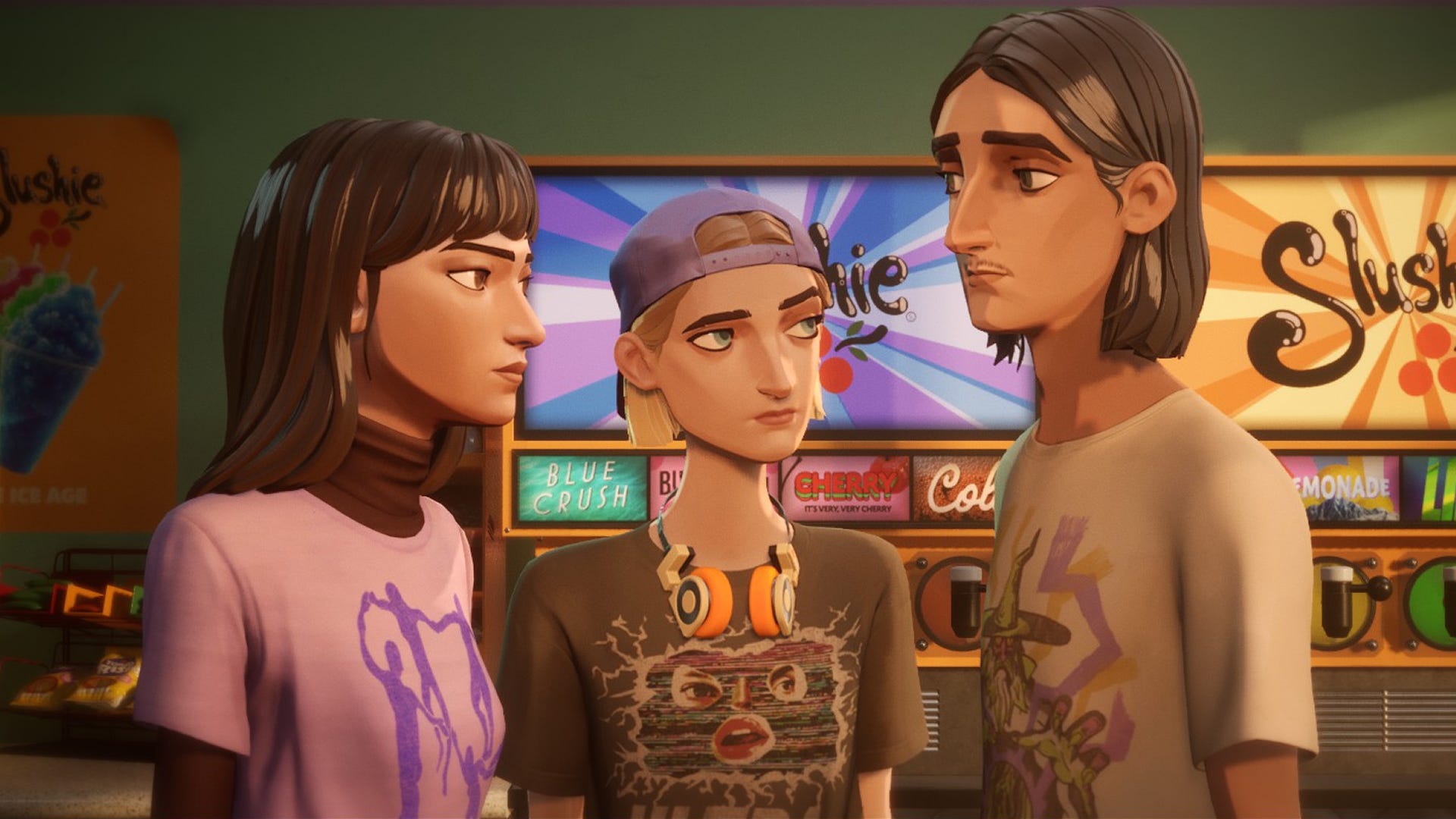
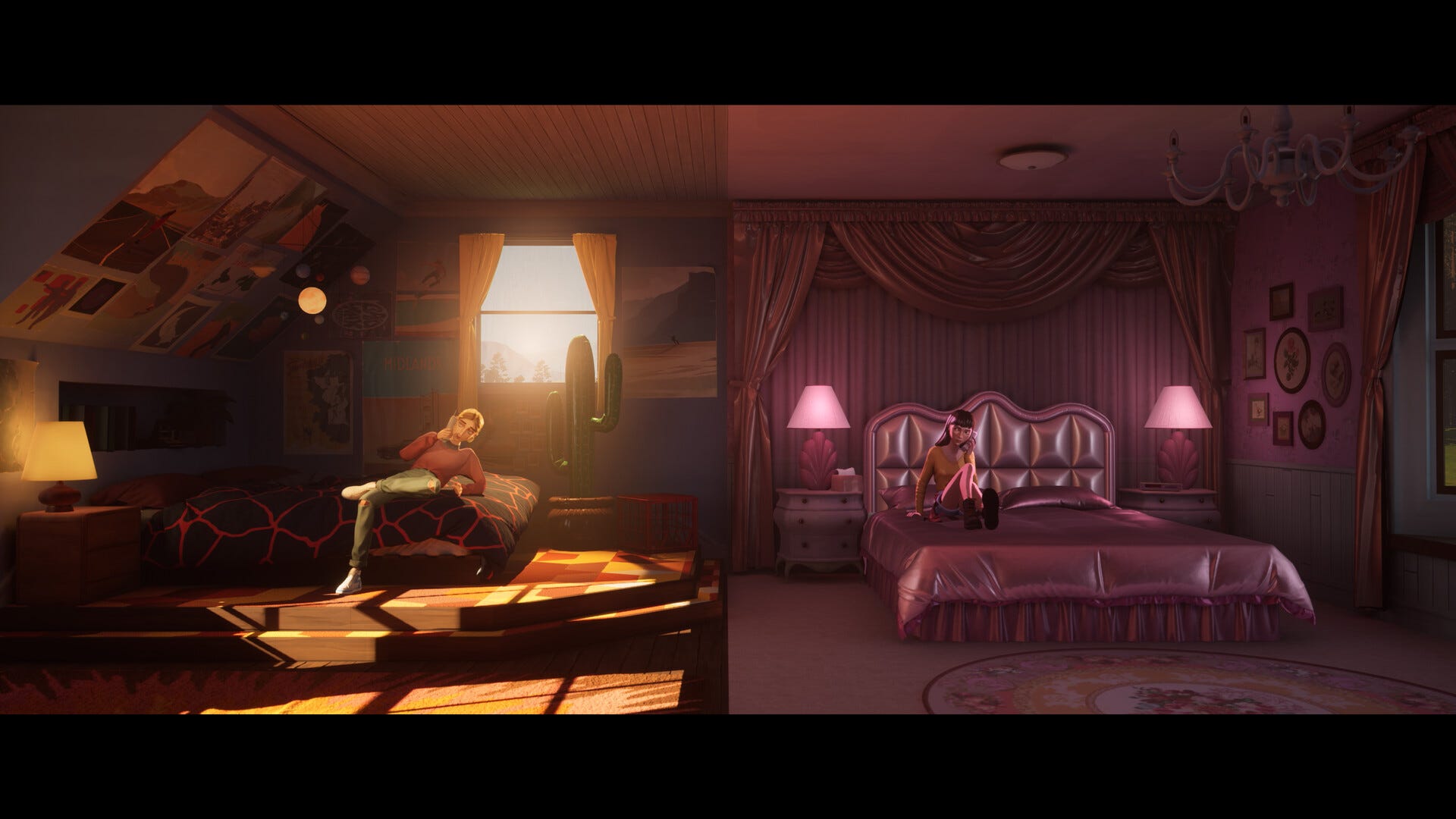
I, like pretty much everyone else, was surprised to see the immense amount of early praise showered upon Beethoven & Dinosaur’s sophomore title, Mixtape, upon the first few days of its release. It opened at a mighty 94 on Opencritic, receiving several perfect scores from notable outlets like IGN, VGC, and Dualshockers among others. Based on early previews and trailers, the long-anticipated indie game was poised to make a big splash, but I doubt anyone expected it to sit as one of the highest-rated games of the last few years.
Maybe even more unexpected though, was the backlash that followed that initial wave of reviews. As more reviewers got their hands on the game, the range of opinions began to widen. With Mixtape being a more cinematic game that leans heavily into nostalgic skater, alt, and band culture from the 90s and earlier, it’s trying to speak to a very specific primary audience. While I believe that the story itself is still enjoyable despite not necessarily having nostalgia for the music or the teenage activities portrayed, many players cited a dissonance they couldn’t shake.
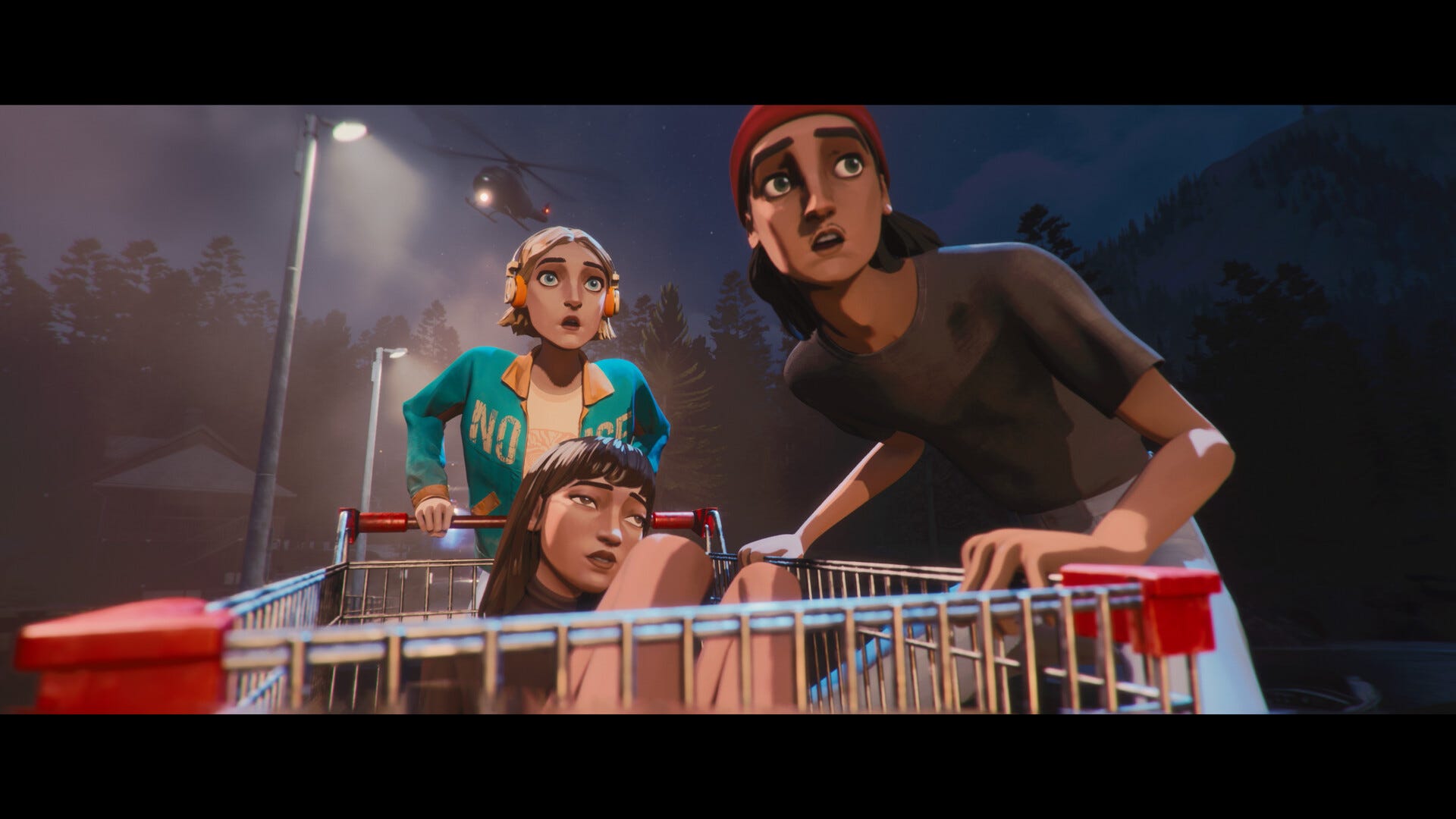
This resulted in debate about the merits of all of the suspiciously unanimous praise that accompanied the game’s release. How could all of these reviewers think this game was so perfect when the target audience is so narrow and the gameplay was as simple as it was? And thus, as is tradition in the big 2026, there was a vocal audience that formed that felt that they needed to work overtime to flip and discredit the narrative that this game had established in the early days of its release.
Luckily, I have somewhat detached myself from social media due to these very rage-inducing always online discussions, so I hadn’t even seen any discourse on the game until I had already rolled credits. And while this is not my review of the game (stay tuned), I can say that while I didn’t feel nostalgic or “seen” while playing, I did thoroughly enjoy the characters, writing, art style, and overall cohesion of the game. To me, this game excelled at areas that are almost fumbled in other games. So imagine my confusion when I saw this game get labeled as an astroturfed industry plant.
I hate that we even have to have this discussion, but okay I guess…let’s have it.
Mixtape is not an industry plant.
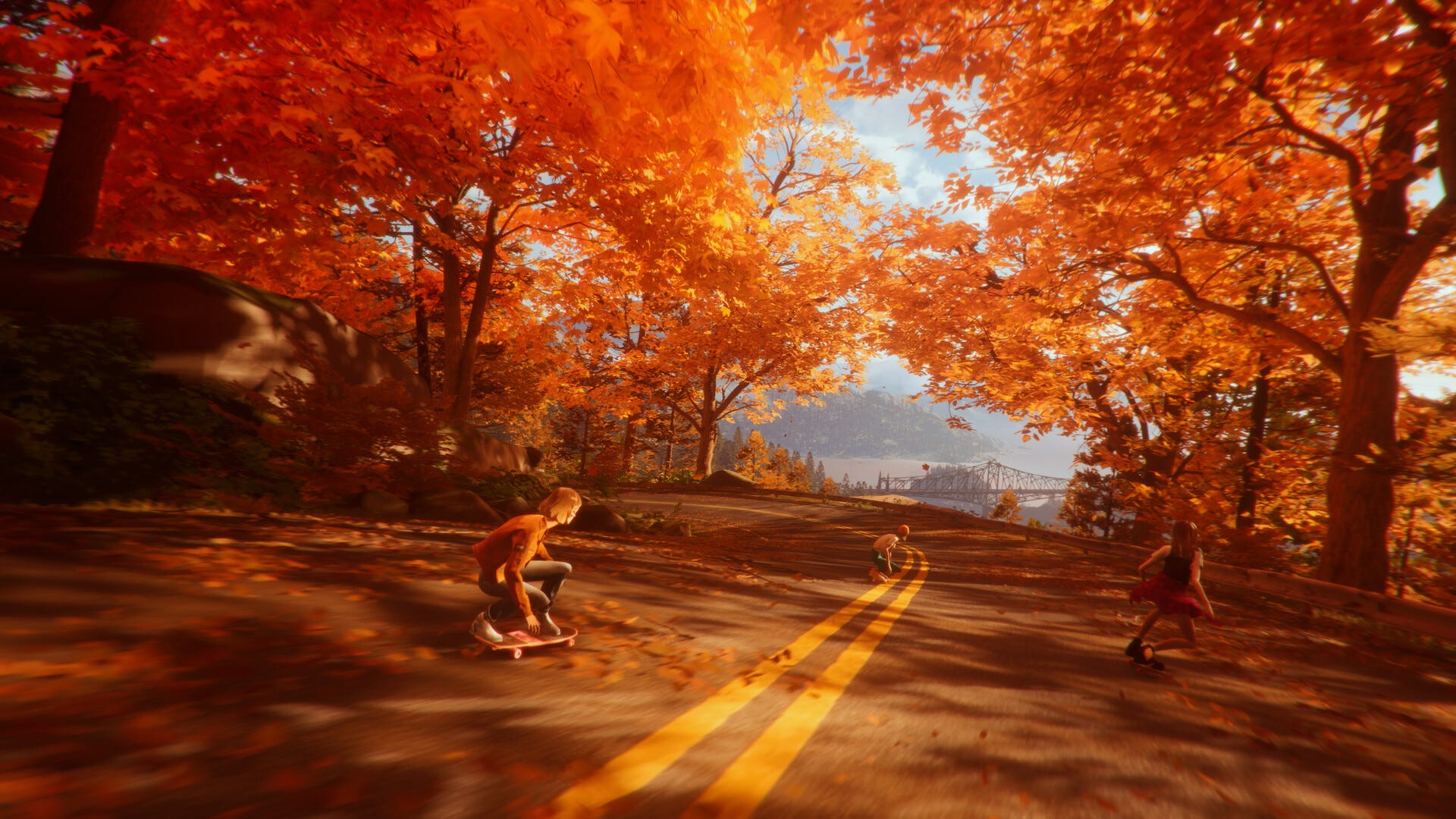
Let's get the low hanging fruit out of the way. Mixtape is a video game. People can complain about it being a walking simulator all they want (which I wouldn't necessarily call it, but let's play along), a walking simulator is still a video game. We just saw Dispatch, a game that is effectively an 8-episode season of an animated show with a few choose your own adventure elements and minor management sim aspects (non-derogatory), sell over 3 million copies. We all collectively recognize we're playing Dispatch for the story, and don't penalize it when we realize the game doesn't rip the gameplay from Spider-Man (2018) halfway through. Similarly, if you've been tapped in then you know that since it was first playable a year ago, Mixtape has always worn its gameplay on its sleeve: a story-first cinematic experience with different gameplay snippets littered throughout.
Next, let’s talk about the concept of what it means to be an industry plant. We’re talking about some shadow corporation funneling tens of millions of dollars into a so-called “indie” game, paying off journalists to give it artificially inflated review scores, all so that this game can seem like it appeals to the masses while also being free from traditional corporate baggage that would otherwise tank the game’s popularity if people found out about where the funding was coming from.
If you believe this, and I’m not sorry for saying this, you’re an idiot.
This is one of the dumbest conspiracies I’ve heard in a while. Industries don’t secretly fund projects within the video game industry. Do you know why? Because there’s no need for the industry to plant anything, people love corporate products.
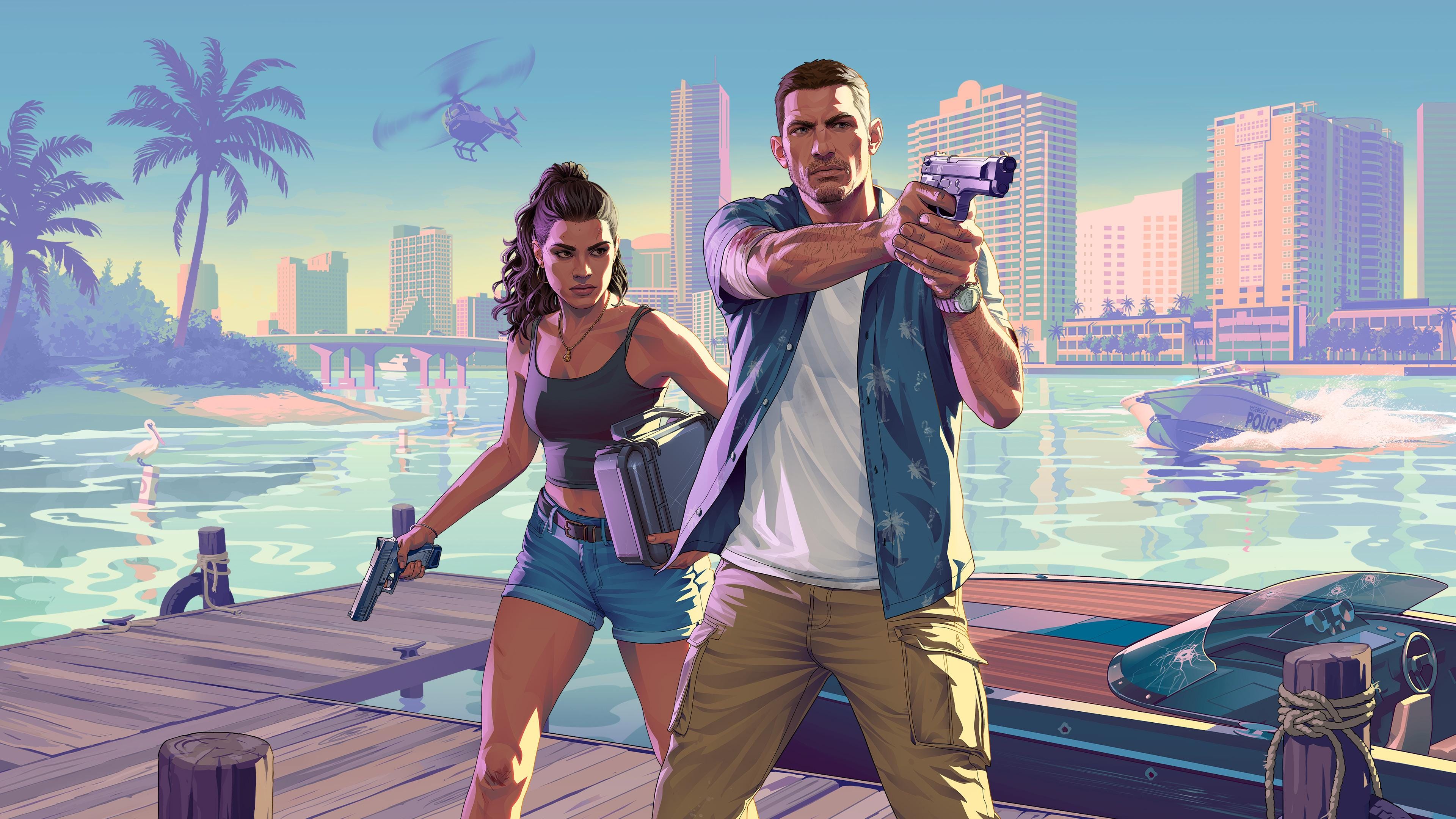
This is not the music industry where people want to see something completely organic and original, this is the video game industry where the most expensive game to ever be developed is about to become the best selling game of all time within a mere few days. Hype and scale sells in this business. And it’s not like we haven’t seen it tried hundreds of times already. How many times do we see a brand new studio, led by some guys that worked on Call of Duty or some other best selling IP, get seeded with millions of dollars from who even knows where, only for them to make a legally distinct clone of the game they got popular from, go to every outlet known to man on a coordinated press tour, only for that game to underperform and cause the studio to shut down? It’s sad, but it’s a tale as old as time. You can’t just “plant” successes within this industry.
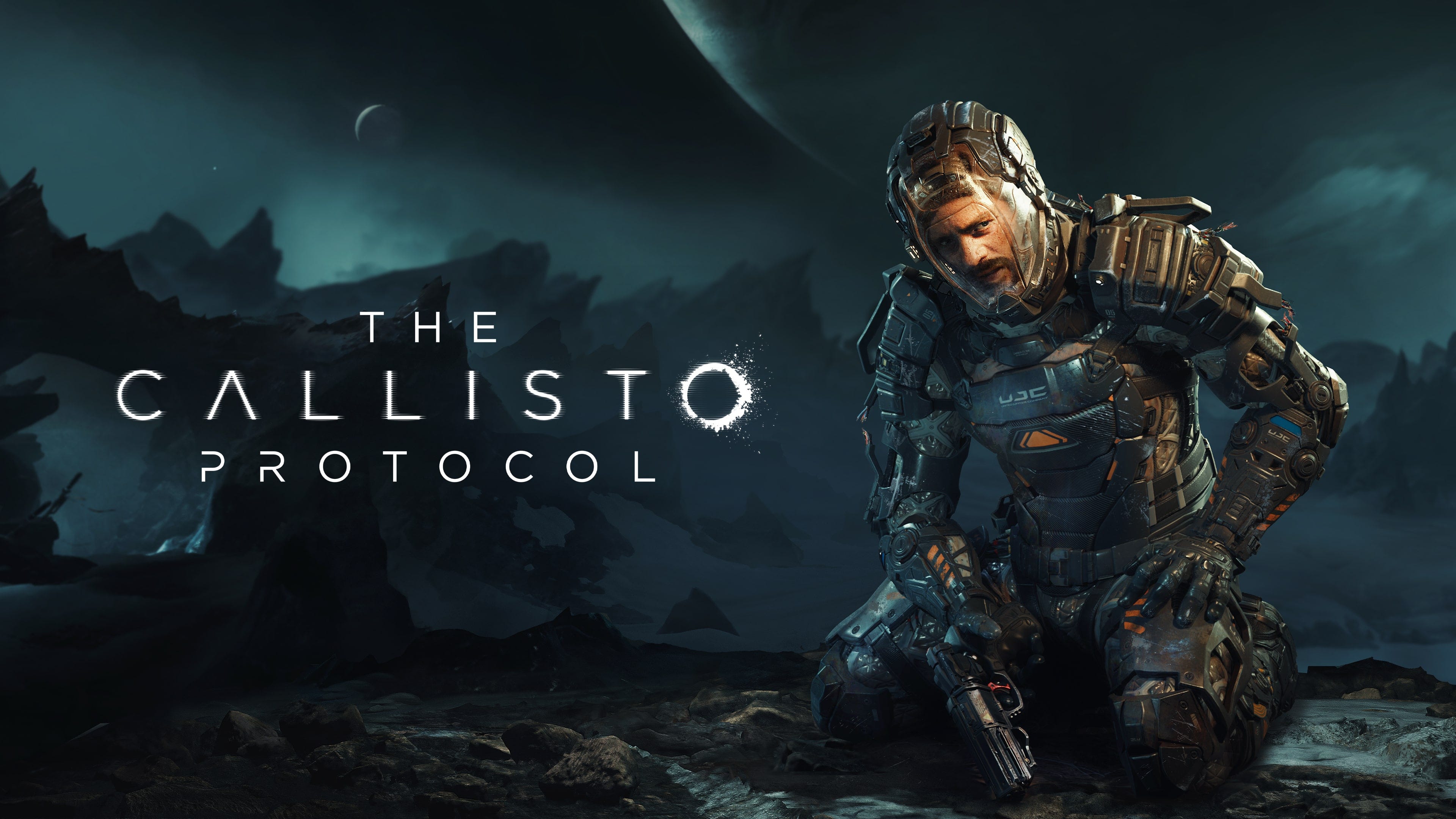
So sure, Mixtape had solid funding, it’s publisher saw promise and wanted it to succeed, it got some sort of deal with Xbox Game Pass, but these things are not new or surprising. So don't look at Beethoven and Dinosaur, a studio that originally put out a game that was essentially an acid trip on wheels about a David Bowie-adjacent, guitar-playing prodigy, and tell me these are the ideas that you think Big Video Game thought would be a great idea to plant within the masses and sell millions upon millions of copies. It's like saying the music industry planted Weird Al Yankovic to reproduce the success of Michael Jackson.

Like I said at the top, we were all surprised by how glowing the initial reviews were. You can argue that Mixtape is nostalgia bait and that influenced the higher reviews. Sure, but so what? Call of Duty is war bait. Resident Evil is camp horror bait. Vampire Survivors is numbers go up bait. Who cares? It’s not like these games are using some unknown or sacrilegious cheat code. You still need to make a good game. In my opinion Mixtape is a good game, and while some (terminally online weirdos) think that the only possible way to think this game was good is if you were paid or brainwashed, others understand it as a difference of taste and opinion.