

Check Your “Well Actually” At the Door Please
Just to get it out of the way:
I know PlayStation 5s are selling like hotcakes.
I know Xbox has completely capitulated to PlayStation, leaving them the de facto victors of the long-raging console war (assuming we completely ignore Nintendo in this conversation like we always have).
I know that PlayStation, as a brand, is stronger than ever, and Sony as a company is making insane profits off its gaming division.
I recognize all of that, but in this moment, none of it matters. I realize that context is often needed when we try to rationalize certain decisions in the industry, but I don’t play, follow, write, and talk about games so that I can get aroused by corporations’ earnings reports. I don’t play games because I know I’m contributing to overall units sold, or because it will inevitably help push an executive’s pay package up an extra couple million dollars.
I play games for emotional impact, for mental and physical challenges, for exciting new stories, for immersion, and for entertainment.
The Truth
What I’m about to say is not a hot take spurred by the recent news of Bluepoint’s closure. It’s not a statement fueled by console warring, tribalism, or any other nonsensical dumb argument you’re currently seeing on YouTube or Reddit. I say this as a fan who has noticed misstep after misstep over the last several years.
The PlayStation 5 generation has been an abject and colossal fumble by PlayStation. Notice I didn’t say failure, because that’s where heated readers will once again throw all of the points at the top back in my face. But creatively and strategically speaking, this tenure of PlayStation leadership seems completely lost. Here’s why.
The Golden Age
The Dark Times

The end of the PlayStation 3 generation marked one of the most flawless monetary and brand-centric turnarounds we’ve ever seen in this fairly young industry. The launch of the PlayStation 3 was a disaster. The console was more expensive, harder to develop for, and had to compete with a version of Xbox that simply could not lose. All of the biggest games in the world were associated with the Xbox brand, while almost every new attempt at an IP push on the PS3 was met with a comparatively niche fan base—or, in some cases, no audience whatsoever.
This was not for lack of trying. In fact, the team at PlayStation experimented with all manner of software and hardware. We had PlayStation Move, PlayStation Home, MAG, and LittleBigPlanet, just to name a few examples of how diverse the lineup of hardware and games was. Unfortunately, it almost didn’t matter. They had gotten off to such an embarrassing start that even when they did release something worthwhile, the install base just wasn’t there to receive it. No matter how many successes they could cook up, it didn’t seem to matter, because Xbox and the Xbox 360 had momentum that couldn’t be stopped—or so we thought.
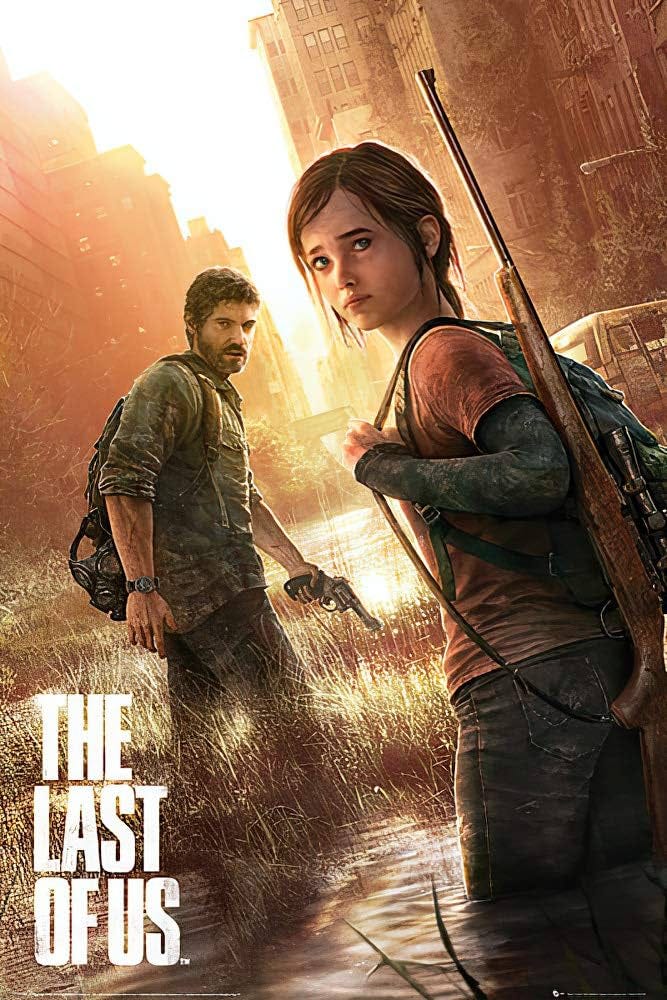
Eventually, PlayStation decided to put all its chips on high-production, narrative-focused, single-player experiences. Titles like Uncharted 4 and The Last of Us were industry-defining releases that we’re still feeling today. These games changed how people perceived video games; they opened people’s eyes to the possibilities of storytelling through the medium, and thus started the golden age of PlayStation.
The Shift
Slowly, sentiment began to change. People started to look at PlayStation as a true competitor again, and as we neared the start of a new generation, there was a moment where everything changed forever.
Xbox, influenced by executives who wanted to penetrate every aspect of the living room, left their gaming audience as an afterthought, assuming the space was already won. Instead, they turned their attention to TV and movie media, positioning the next Xbox—the Xbox One—as an all-in-one device, as well as a cheap Wii clone for good measure. Not only that, but for their gaming audience, they didn’t come armed with exciting new games or features. Instead, they presented one of the most convoluted always-online digital frameworks you could imagine—still reigning today as one of the most baffling and idiotic launch decisions a major console manufacturer has ever made.
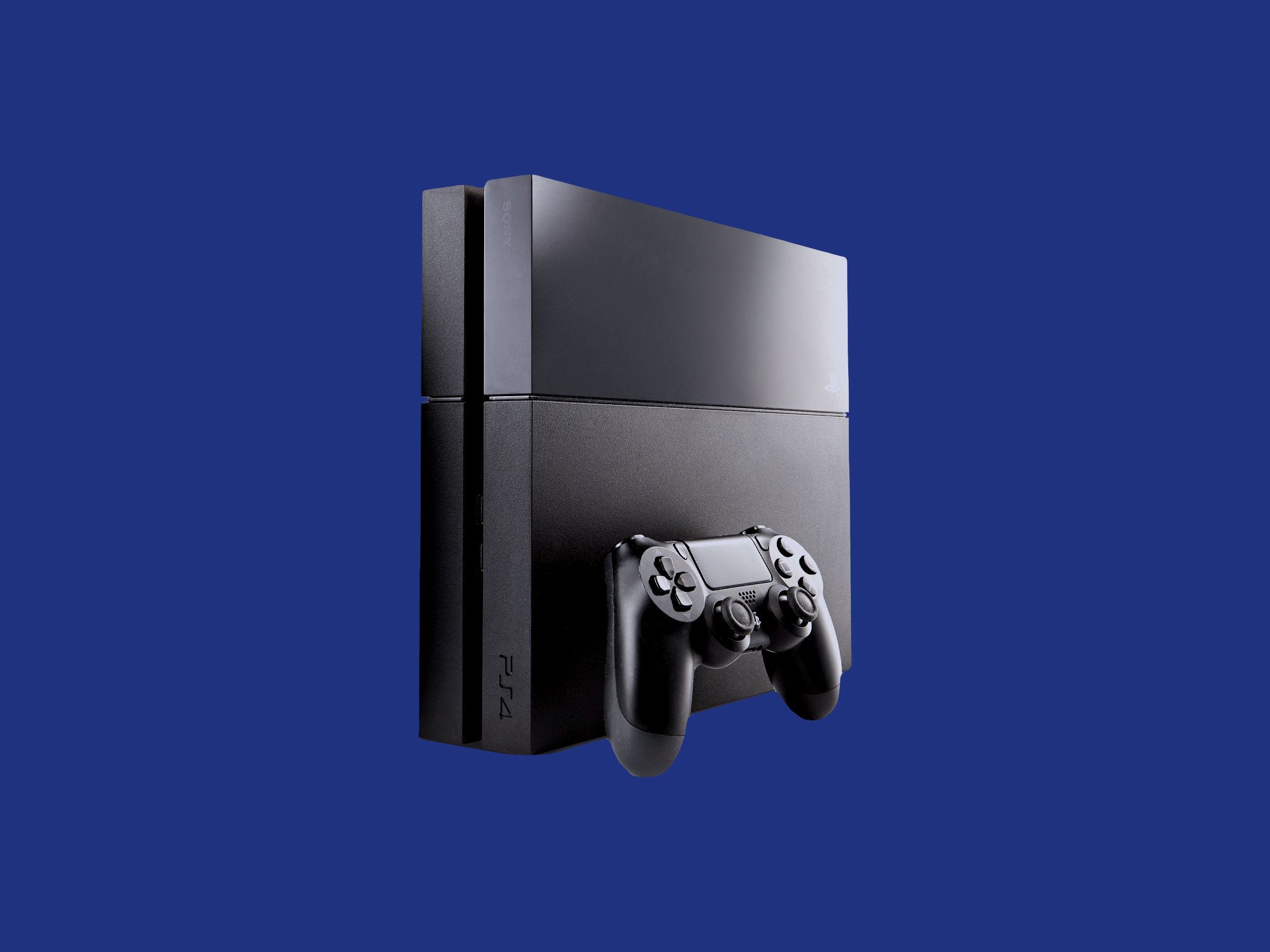
Already seeing success in their shift in strategy, PlayStation seized the opportunity. They went all in on the cinematic single-player experience. The hardware remained simple and sleek, there were no forceful pushes into the digital world, and the games were at the forefront. In mere hours, PlayStation had made a mockery of Xbox, and the tides of public sentiment shifted forever.
The Impossible
Next came a nearly impossible series of wins for the Japanese publisher. Their studios, both veteran and new, continued to produce hit after hit. We saw the birth of the Horizon franchise and Ghost of Tsushima, the rebranding of Kratos, the best use of a licensed IP we may have ever seen with Marvel’s Spider-Man, interesting new IPs like Bloodborne, and even inspiring remakes like Shadow of the Colossus.

And to be clear, this is just a fraction of the great things we saw during this generation. With the tables turned, third-party publishers flocked to the sacred symbols, tripping over themselves to sign exclusive deals. Monetarily and in terms of mindshare, PlayStation had a strategy that was completely dominant.
Which leads us into the current generation…
Riding Coattails
A Premium Experience
The PlayStation 5 launched with a tremendous lead, and Xbox was rapidly giving up even more ground. The complicated Xbox Series launch and promises of rebooted franchises proved insufficient to make a real difference. PlayStation positioned itself as a premium product and the obvious choice for gamers.
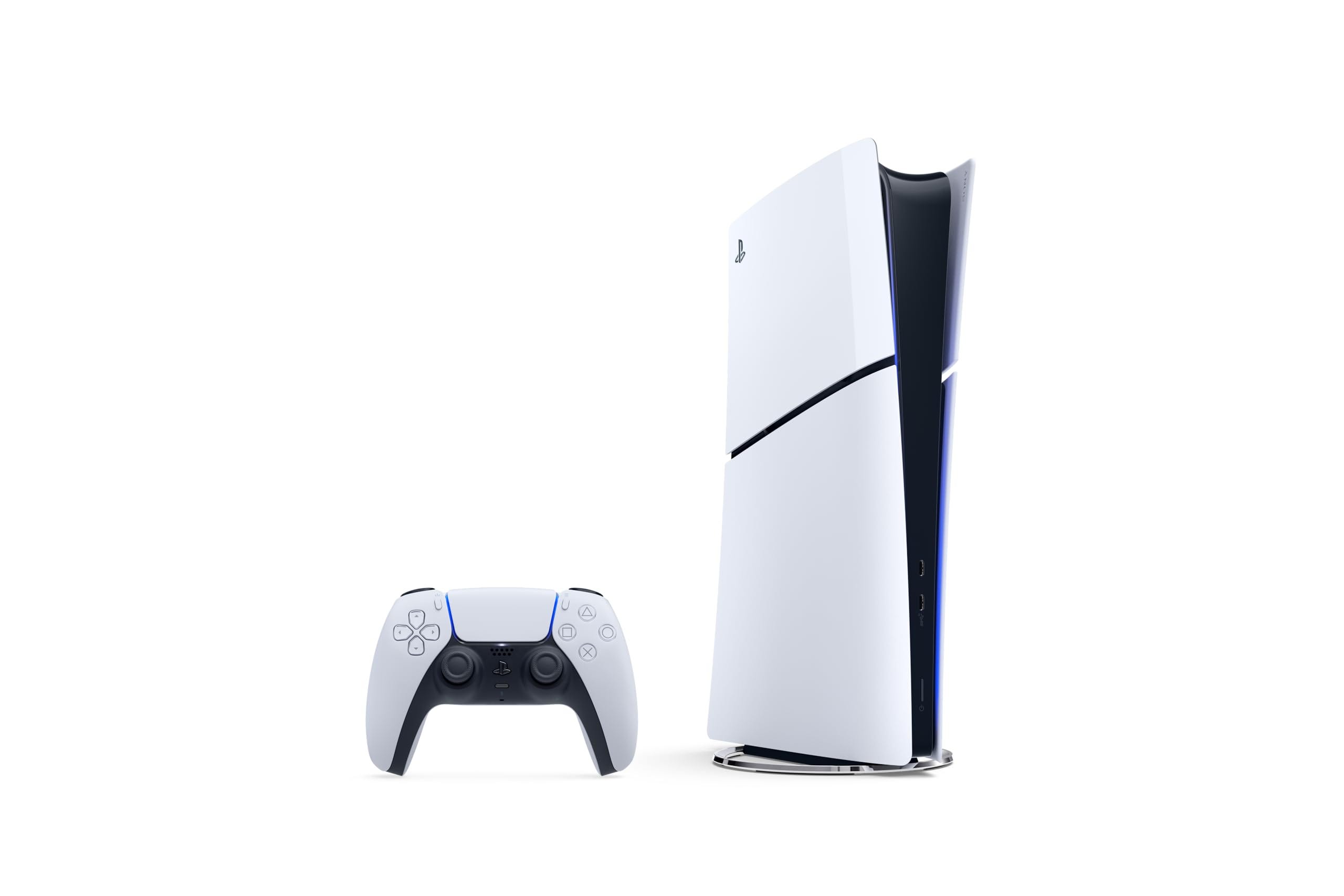
They emphasized the importance of the console being a generational shift that didn’t look back (even though their actual release strategy often contradicted that). They introduced a cool new hardware advancement with the DualSense, and most importantly, we were getting relatively quick turnarounds on the franchises that had put them in this position in the first place.
PlayStation had become the Apple of the gaming world, and it seemed like that dominant run would continue—until one pivotal moment.
The Infinite Money Glitch
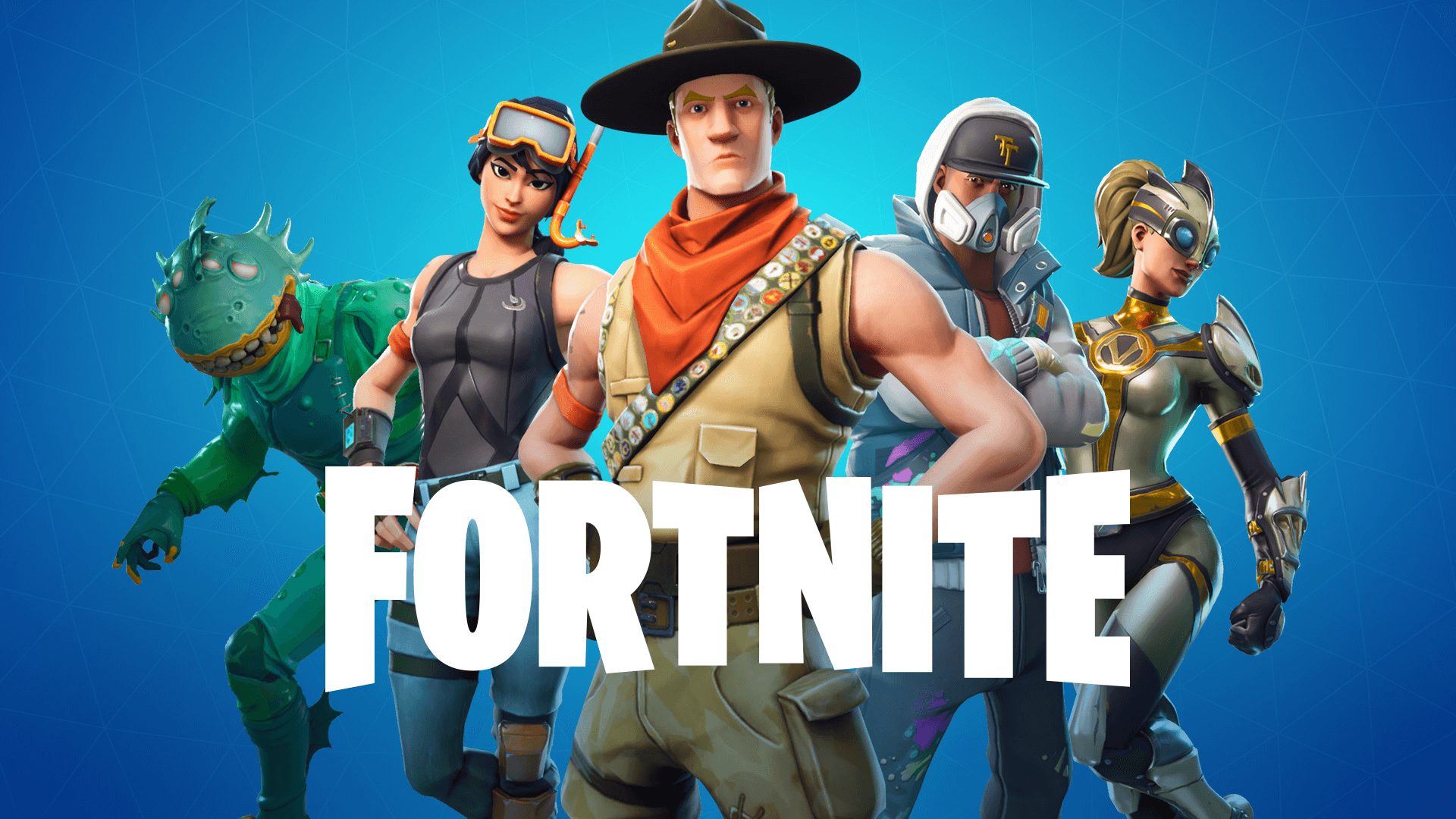
At some point, the entire industry began paying attention to titles like Fortnite, Apex Legends, and Call of Duty: Warzone. Simultaneously, they noticed a new generation of kids spending more time on free-to-play mobile and PC games.
The companies that managed to carve out space here generated what seemed like limitless revenue. Microtransactions, skins, and loot boxes proved irresistible to players when done right—it was essentially like running a casino where the house always won. Especially when you had enough capital to give you an edge, it seemed almost foolish not to pursue it. And just like that, the seed was planted.
Money Sink
At the same time, PlayStation was suffering from a self-inflicted wound: they had manufactured a video-game arms race. What set their games apart was their premium quality—fidelity, motion capture, voice acting, and polish. This was what PlayStation said it meant to be a first-party title.
The branding shifted to resemble a movie studio. Every reveal was cinematic and jaw-dropping, and while these were incredible experiences for fans, they were also incredibly expensive to produce.
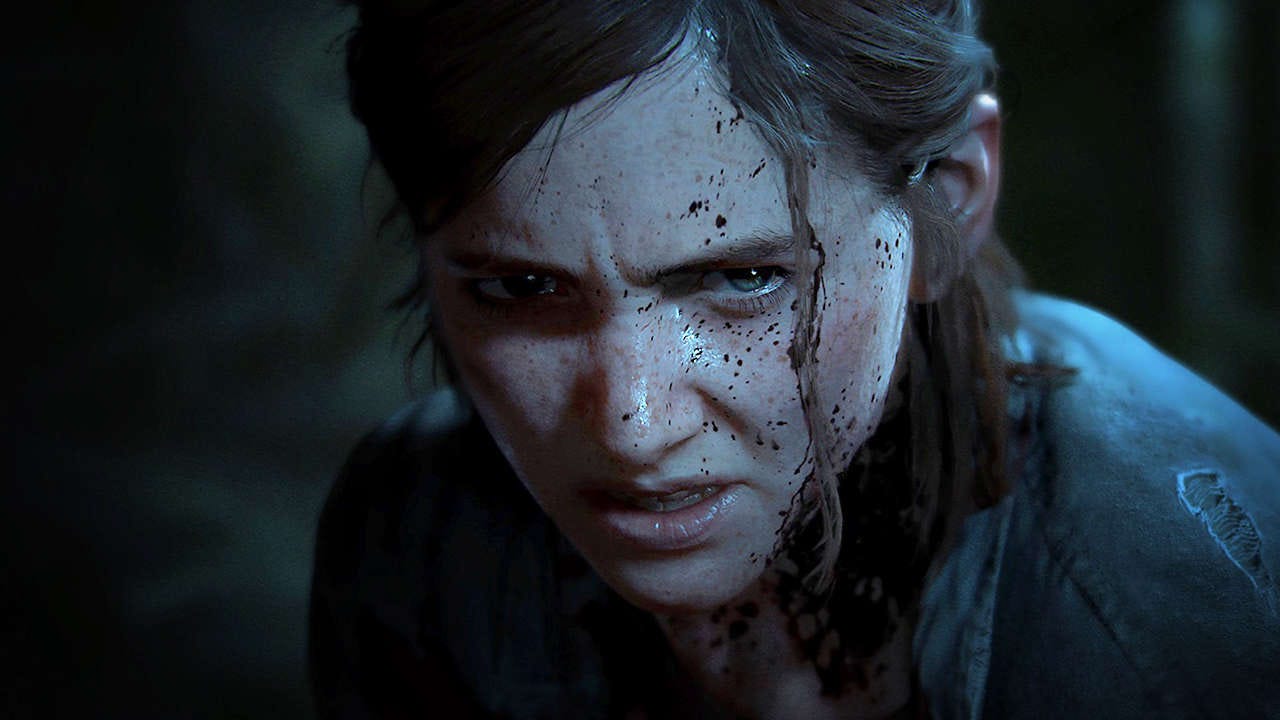
While every new first-party title broke sales records, it also broke budget records. These games were expensive not only because of their technical ambition, but also because PlayStation gave studios the time needed to create blockbuster experiences. Development cycles ballooned from three to four years to seven or eight. There was intense pressure to outdo what came before—better graphics, better stories, unrivaled gameplay. Admirable goals, but not cheap ones.
The Parasite
The solution? Let your proven studios cook. Give them time. Let them experiment. People expect greatness from them.
And for almost everyone else?
Live service.
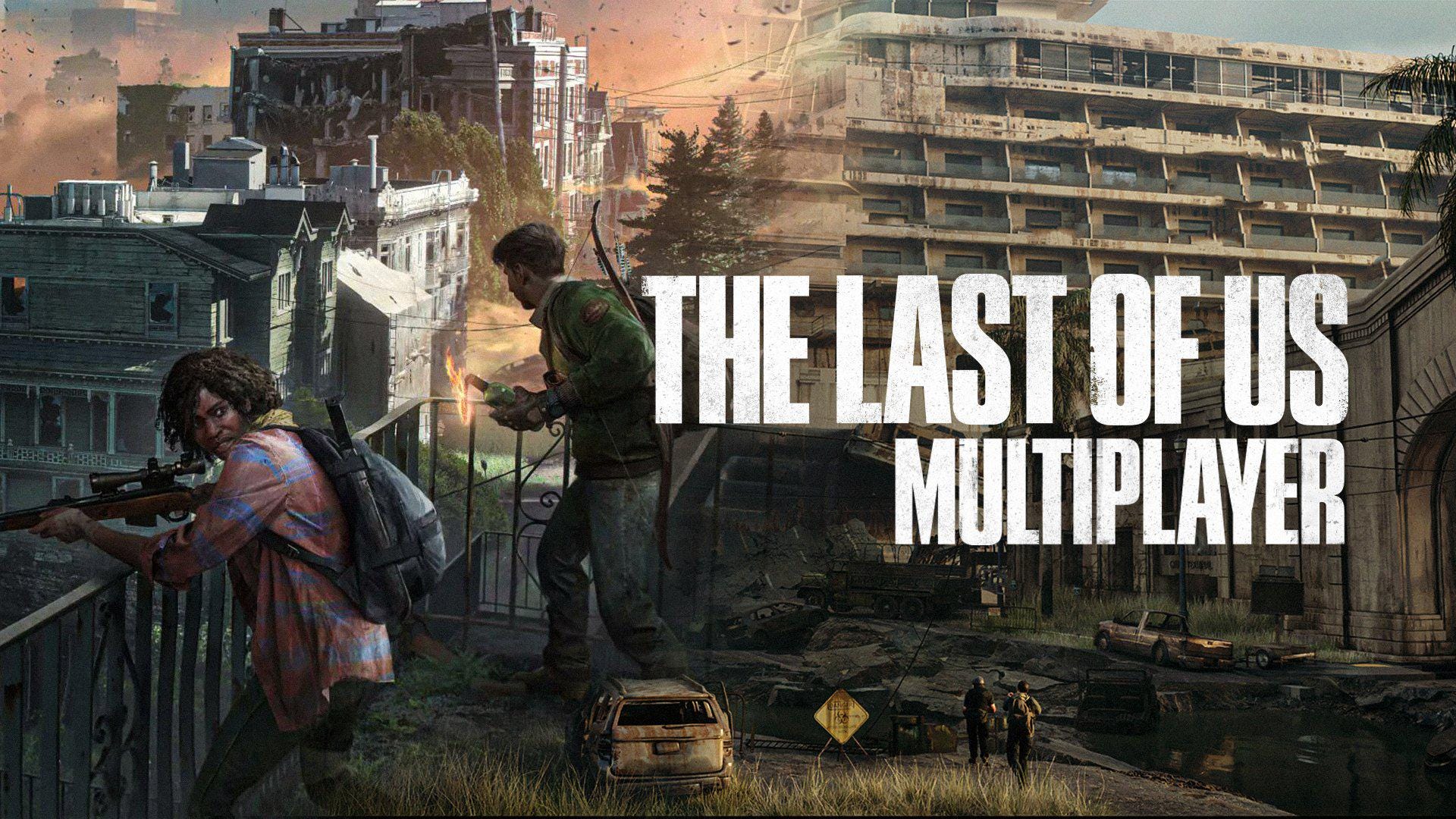
In an investor meeting, PlayStation announced a pivot toward live-service games. This wasn’t an experiment—it was a bold, confident strategy they were willing to bankroll heavily. You have to spend money to make money, right?
The industry grew nervous. Live service had already doomed countless studios and publishers. But at least it would be supplemental, not primary…right? …Right??
The Primary Strategy
Nope. Live service became the strategy.
The single-player well that built PlayStation’s dominance had grown unsustainably large. The publisher could no longer reliably release premium titles at a steady cadence. Studios had scaled to a point where progress slowed to a crawl—yet costs kept climbing. Those long production cycles had to be sustained somehow.
So they turned to that infinite money glitch.

Immediately after that investor meeting, PlayStation announced an unprecedented number of live-service titles: Fairgame$, Marathon, Concord, and The Last of Us Factions. Overnight, the future shifted from almost exclusively single-player to overwhelmingly live service.
It was shocking—and terrifying—for fans who bought into PlayStation specifically for its single-player identity. Still, there was cautious optimism. Maybe live service under PlayStation’s umbrella could redefine the genre the same way its first-party games once did.
Time Told
And here we are.
Nothing went according to plan.
The live-service initiative has been a complete failure. At the time of writing, at least seven projects have been canceled before release. One was caught stealing an independent artist’s work and had to delay. One lost its studio lead and hasn’t been mentioned in over a year. One takes a PlayStation IP and makes it PC-exclusive. And one is Concord—which says enough on its own.
It’s almost comical how much has gone wrong.

The Last of Us Factions was announced to cautious optimism, only to be canceled. Naughty Dog cited the long-term maintenance burden as the reason. I’m sorry, but how do you spend years developing a live-service game before realizing it requires a long-term support plan? Shouldn’t that have been step one?
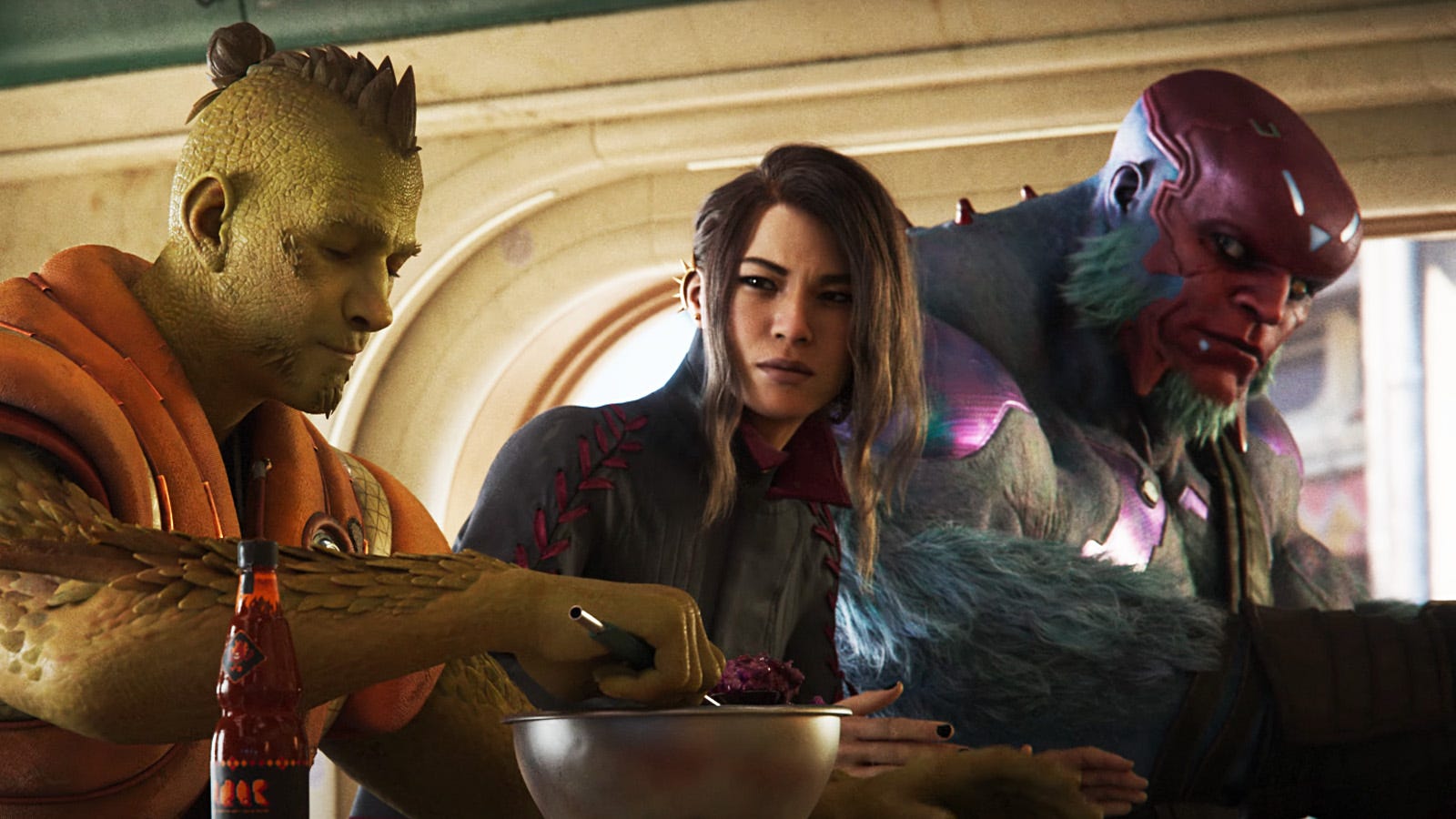
Then there’s Concord, canceled almost immediately after launch—despite having CGI shorts ready and even an entire Secret Level episode on Amazon Prime dedicated to a universe no one had time to care about.
Marathon followed: revealed to lukewarm reception, then delayed after an art plagiarism controversy.
On the other end is Fairgame$, revealed years ago and then completely forgotten. A new studio was formed to lead it, and the founder left before they had anything meaningful to show.
The Bluepoint of it All
Which brings us to today.
Bluepoint Games—the acclaimed remake studio Sony acquired just a few years ago—has been shuttered.
Why?
This was a studio that never missed. They were arguably the best in the business at remakes, and the list of games begging for that treatment was massive.
Reporting suggests that Bluepoint pivoted away from remakes to work on a God of War live-service project. That project was canceled in early 2025, and the studio failed to successfully pitch anything afterward.
Several things here are baffling:
Why would you have the best remake studio in the industry working on a live-service game? Nothing about Bluepoint suggested they were positioned for that shift.
Is it really true that there was nothing else for them to work on? The company that remade The Last of Us what feels like a dozen times couldn’t find any remake opportunities?
Was this a one-strike-and-you’re-out situation? Was the situation so dire that the most dominant console publisher in the world cut loose an acquisition after just two projects? How?
The Externals
I’m not unreasonable. I do want to acknowledge that I realize PlayStation executives are not just sitting in their C-suite offices thinking up new and inventive ways to shoot themselves in the foot. The past several years have been both bizarre and unprecedented in many ways, and without a doubt, we can point to several key external factors that put PlayStation leadership in a position where they felt compelled to make the decisions they have.
The Pandemic
I’m pretty sure I don’t need to expound too much on how the pandemic hit the gaming industry. Development timelines slowed to a crawl, and games were delayed en masse. Simultaneously, with everyone stuck at home, player numbers soared higher than ever.
This resulted in a few things:
Almost every publisher’s operational pipeline was completely thrown into chaos. Games were delayed years beyond their intended release dates, companies had to rapidly build infrastructure for remote work, and hardware manufacturers were forced to adapt to shortages caused by global manufacturing and shipping disruptions. Whatever plans were in place ahead of the pandemic had to be entirely reworked—while also accounting for ballooning development costs on games they likely expected to have already shipped.
At the same time, demand for games was higher than ever, but the operational chaos made it nearly impossible to meet that demand. This, combined with the sudden shift to work-from-home, resulted in mass overhiring across the industry. That hiring spree was driven by the naive assumption that player engagement levels would remain flat—or even increase—once people were allowed to go back outside.
The Acquisition Arms Race
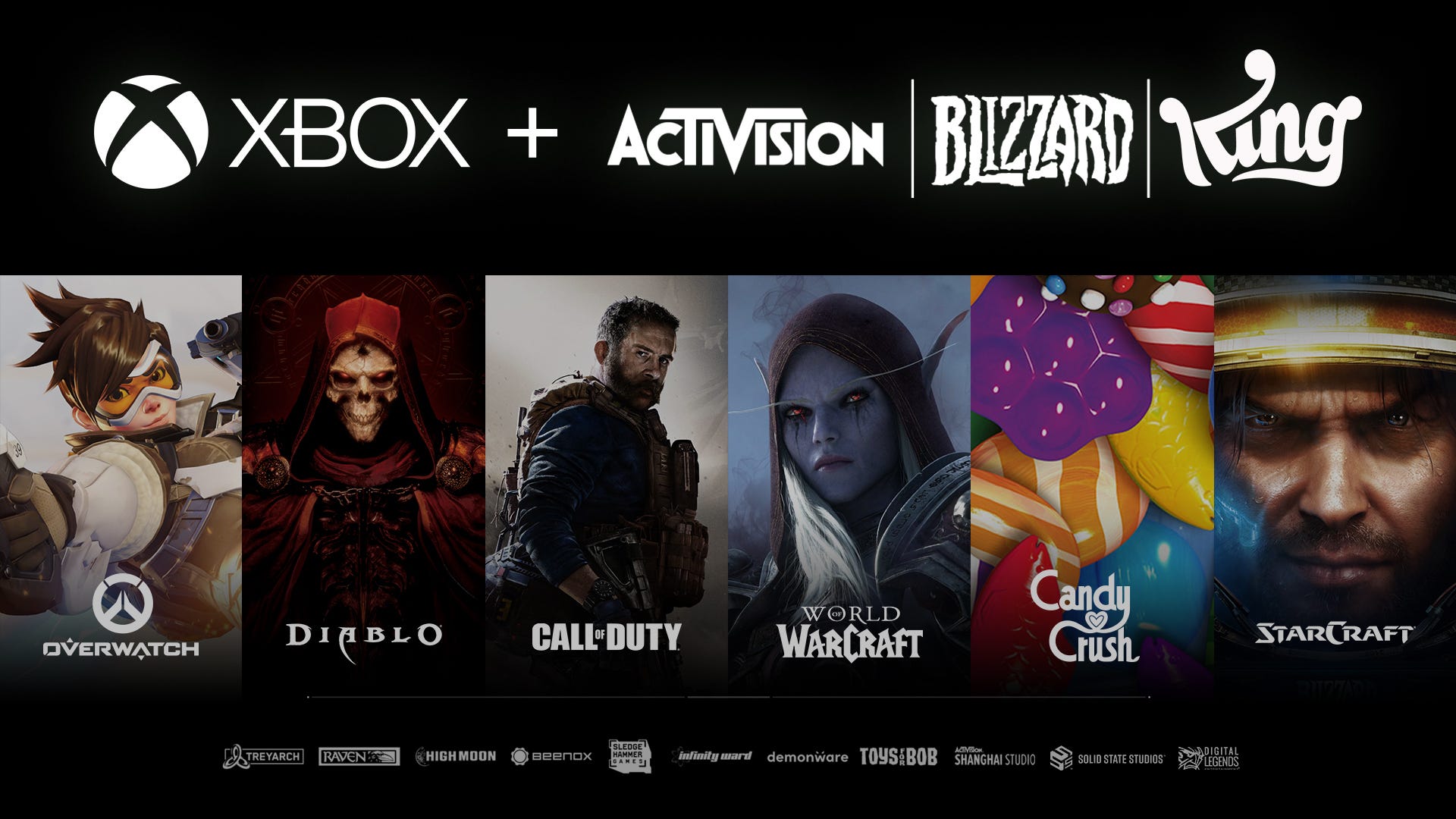
With the aforementioned surge in interest in gaming, the value of established studios skyrocketed, while interest rates sat at historic lows. In an effort to capitalize on what looked like a golden opportunity, Microsoft purchased Activision Blizzard and kicked off an industry arms race the likes of which we had never seen.
Fear of being left behind—or worse, leaving money on the table—led to mass consolidation across the industry.
PlayStation responded in turn by acquiring Housemarque, Bluepoint, Nixxes, Bungie, and Haven.
The Live Service Gold Rush
As I mentioned previously, a small handful of games began to monopolize the top spots on revenue and hours-played charts. Unsurprisingly, every single one of them was a live-service game.
With single-player games costing more than ever while offering diminishing financial returns, and live-service titles proving their ability to dominate industry earnings for well over a decade, it would almost be financially irresponsible not to pursue a live-service hit as a publicly traded company.
Not only that, but even one moderately successful live-service game could fund multiple single-player experiences over its lifetime. It’s the equivalent of hitting a jackpot at a casino.
The Government
On top of everything else, we recently saw even more instability introduced through U.S. tariffs. Prices rose across the board. It became more expensive to create and sell essentially everything—including video games and video game accessories.
As a result, both hardware and software prices increased to offset rising costs, making it more important than ever that new releases were financial successes.
A.I.
The most recent pain point for the industry has been A.I. Completely ignoring the debate around how generative A.I. threatens to pollute both our games and our planet, the sheer demand for A.I. computing has caused shortages in a wide range of computer components, including graphics cards and RAM.
Once again, this has upended operational pipelines for hardware manufacturers. Consoles and accessories are facing shortages, and the arrival of the next generation of hardware is at real risk of slipping by multiple years.
So yes—business is not normal. It’s almost the exact opposite of normal, and executives are being forced to adapt.
The problem is this: if every decision you’ve made to “adapt” results in more lost revenue than if you had literally done nothing at all… was it worth it?
An Abject Failure
I apologize for this long, ranty article, but as you can tell, I’m pissed.
PlayStation’s leadership isn’t stupid. They understand the prestige of their studios. They understand what kind of first-party experiences built their dominance. They know what their core fan base wants.
The problem is—they don’t care.
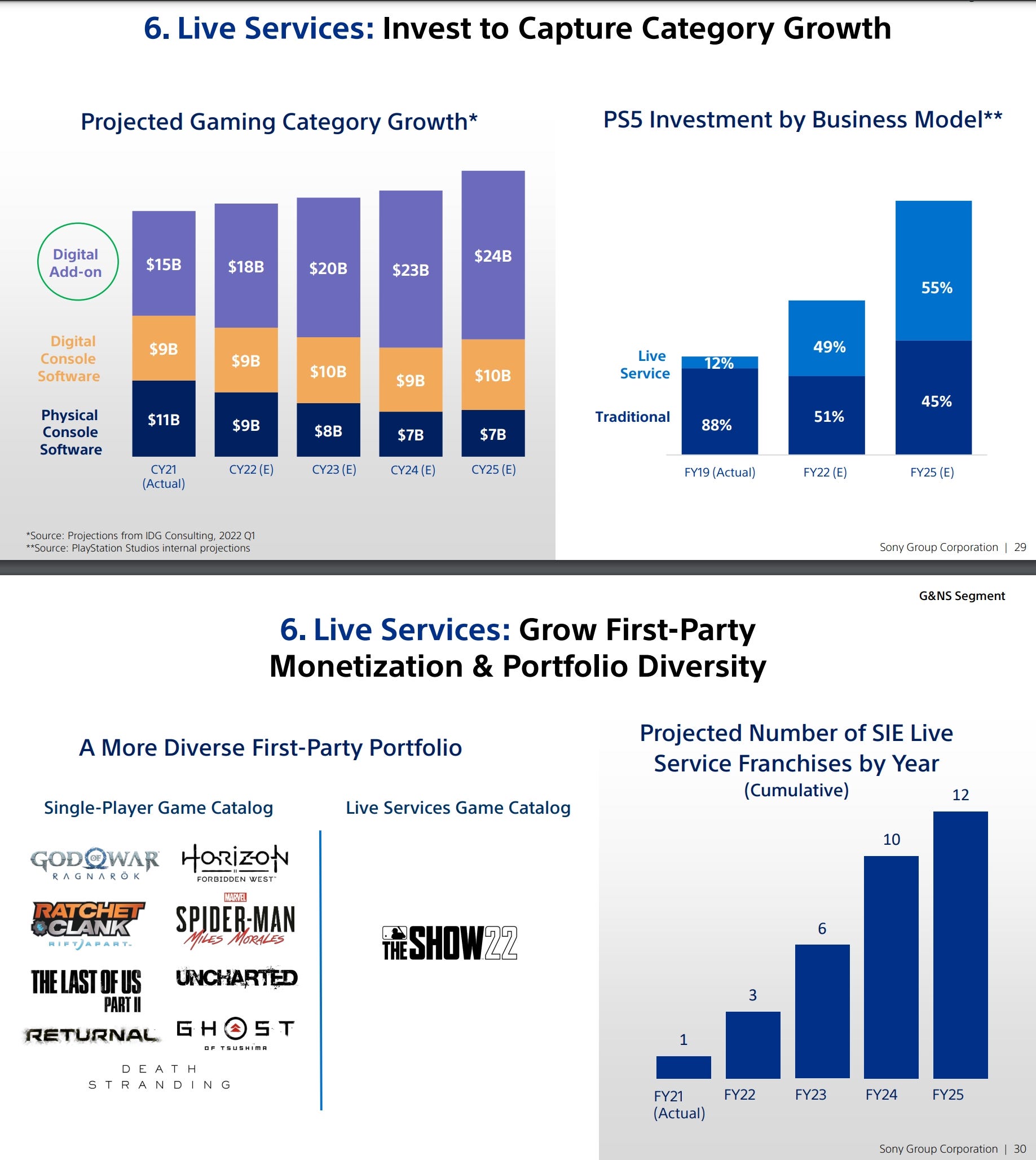
Much like the speeches Phil Spencer gives when Xbox shuts down studios, Herman Hulst’s statement on Bluepoint focused on success. Numbers are up. Profits are strong. That’s what matters.
There is still incredible creative talent within PlayStation’s studios—but the brand itself is becoming a soulless husk.
The company that won over gamers during the PS4 generation no longer exists. Now, we’re left hoping that projects designed to print money occasionally happen to align with what we want as players.
I don’t know how much worse things will get—but something tells me this is only the beginning.